
What Is Doomscrolling? Meaning, Brain Effects and How to Stop it
What is doomscrolling? Learn the meaning, why your brain gets hooked, how it affects sleep and mood, and 7 practical ways to stop doomscrolling for good
 Berry Bits
·
November 24, 2026
·
10 min read
What Is Doomscrolling? Meaning, Brain Effects and How to Stop It
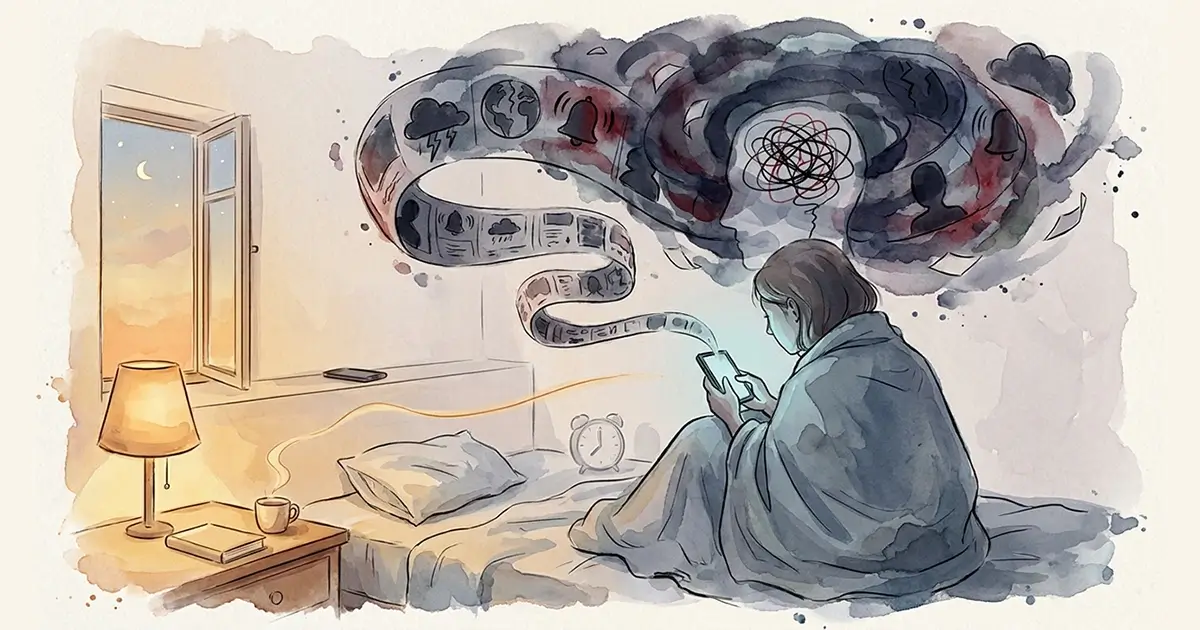
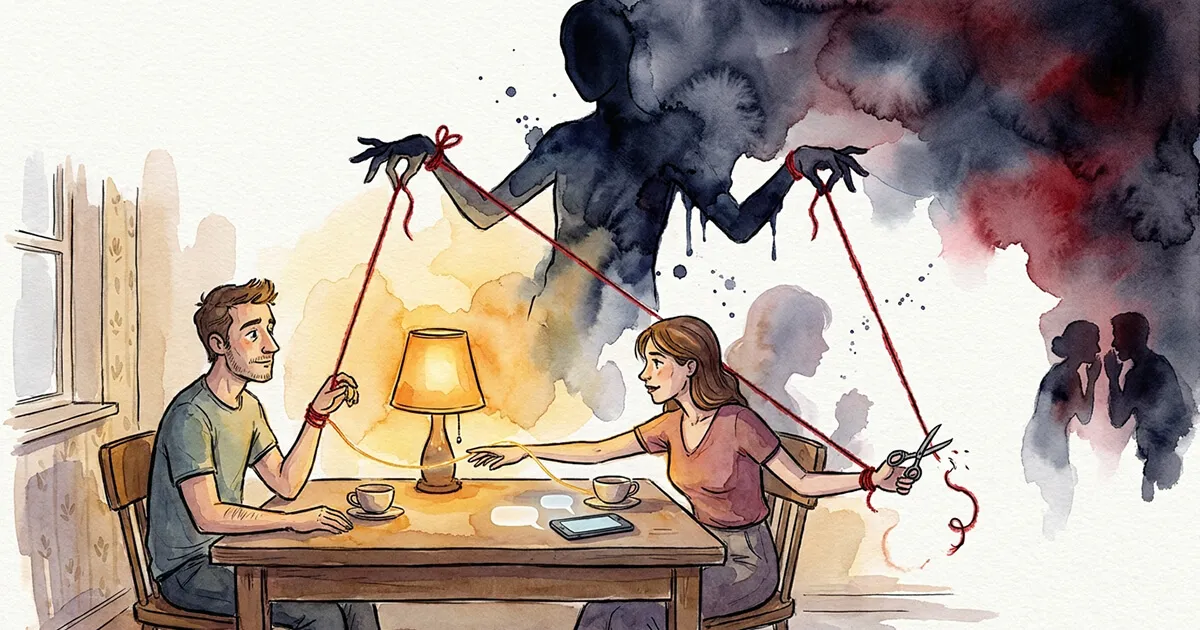
You only meant to check the headlines. Forty minutes later, you are still scrolling, your jaw is tight, and the world feels darker than it did before you picked up your phone.
If that sounds familiar, you already know the feeling this guide explains. Below you will find a plain-language definition, the reason your brain gets hooked, what the habit does to your mood and sleep, and seven practical ways to stop doomscrolling.
This post is the hub of a three-part series. Explore the spokes whenever you like:
- Doomscrolling Examples: 4 Real-Life Cases and the Warning Signs
- What Does Doomscrolling Do to Your Brain? Effects, Risks and Recovery
- What to Do Instead of Doomscrolling: 12 Replacements That Actually Work
What Is Doomscrolling?
Doomscrolling is the habit of endlessly scrolling through negative news or distressing social media posts, long after the information has stopped being useful. You keep going not because you are learning something new, but because you feel unable to stop.
If you want to define doomscrolling in one line, it is compulsive consumption of bad news that leaves you more anxious, not more informed.
Notice the two parts of that doomscrolling definition. First, the content is negative. Second, the scrolling is compulsive. Reading one alarming article is not doomscrolling. Reading your fifteenth while your thumb moves on its own is.
Doomscrolling Meaning and Where the Term Came From
The word blends doom, meaning expected disaster, with scrolling, the thumb motion that feeds you endless content. It spread widely during 2020, when lockdowns, health scares and breaking news kept millions glued to their screens, and it has stayed in everyday language ever since.
The doomscrolling meaning has also widened. It no longer applies only to news. Disturbing comment threads, crime videos and money panic posts all count.
Doomscrolling vs Staying Informed
Checking the news is healthy. Doomscrolling is different. The test is simple: can you stop when you have what you need?
If you read an update, understand it and put the phone down, you are staying informed. If you keep refreshing for a sense of safety that never arrives, you are doomscrolling. Intent matters too: informed readers look for answers, while doomscrollers look for relief. Our guide to doomscrolling examples walks through this line with real-life situations.
Why Is Doomscrolling So Addictive?
Doomscrolling is not a character flaw. It is the predictable result of a human brain meeting products designed to hold attention. Knowing this matters, because blaming yourself rarely changes behavior, while understanding the mechanism does.
Your Brain Watches for Threat
Humans evolved to notice danger faster than good news. Psychologists call this negativity bias. A frightening headline pulls your attention harder than a pleasant one, so your brain keeps scanning, just in case.
Feeds Work Like Slot Machines
Every swipe might reveal something shocking, funny, useful or nothing at all. That unpredictability is a variable reward, the same pattern that keeps people pulling a slot machine lever. Add infinite scroll, which removes natural stopping points, and there is never a moment when the app tells you that you are done.
Scrolling Feels Like Control
When something frightening is happening, information feels like protection. So you scroll to feel prepared. The relief lasts seconds, the anxiety returns and the cycle repeats. This is the heart of why doomscrolling is addictive: it promises safety and delivers worry.
What Doomscrolling Does to Your Brain and Body
Short bursts of bad news are manageable. Hours of it are not. When you absorb distressing content, your body reacts as if the threat were nearby, with a faster heartbeat, tense muscles and a rush of stress hormones. Doing this repeatedly keeps your nervous system on alert, and over time it can make ordinary life feel more threatening than it is. For the full breakdown, read our deep dive on what doomscrolling does to your brain.
Mood and Anxiety
Research has linked heavy exposure to negative news with higher anxiety, lower mood and a gloomier view of the world. You begin to believe danger is everywhere, even when your own life is calm.
Focus and Energy
Constant switching between stories trains your attention to stay shallow. Many people struggle to read long pieces or finish tasks after a long scroll. You also lose time, which adds a quiet layer of guilt.
Doomscrolling at Night: Why It Wrecks Your Sleep
Nighttime is when doomscrolling is most tempting and most costly. The house is quiet, your guard is down, and your mind has nothing else to chew on.
Three things go wrong at once. Bright screens can delay the signals that tell your body it is time to sleep. Upsetting content raises alertness when you need to wind down. And the scroll itself steals the hours you meant to rest, so bedtime slides later and later.
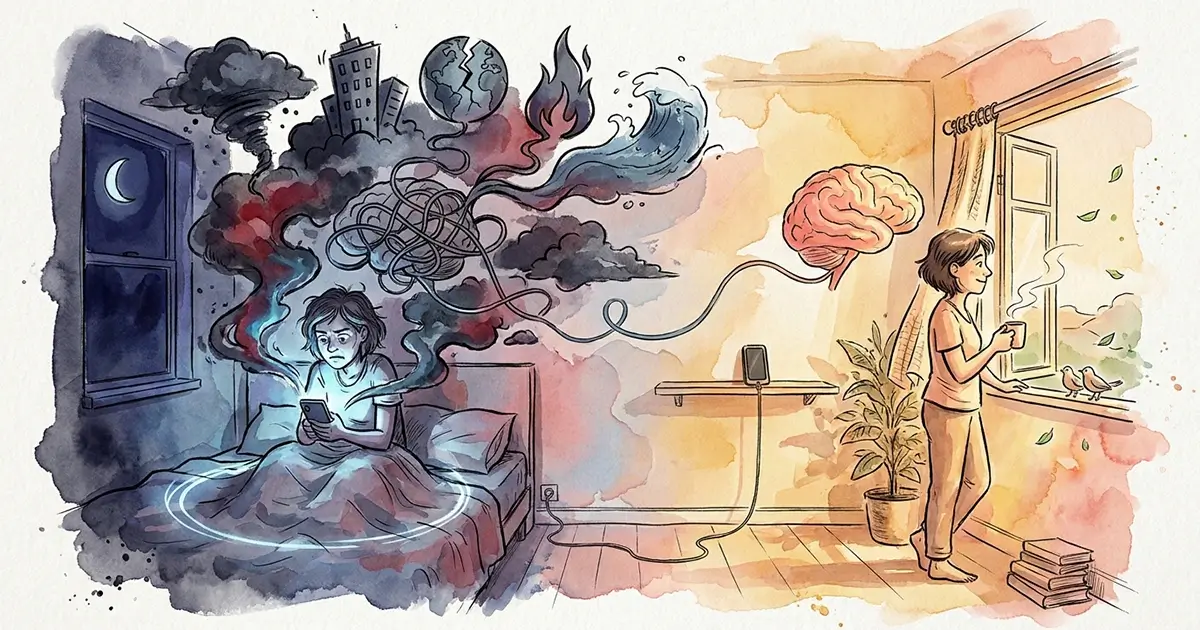
Then comes the loop. You sleep badly, wake tired, feel more anxious and reach for your phone to cope. Even a few nights of shorter sleep can make the next day's worries feel heavier, which makes the evening scroll more tempting.
Breaking it often starts at bedtime. Charge your phone across the room, set a firm cut-off time and keep a book on your nightstand.
4 Examples of Doomscrolling
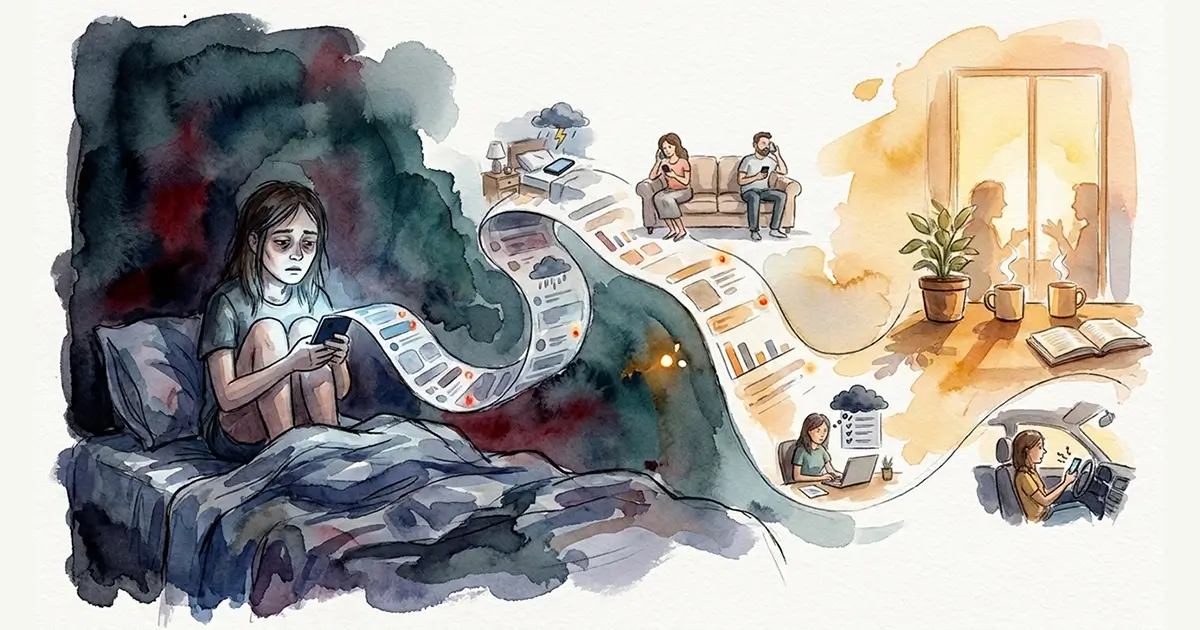
These four scenes show how the habit looks in ordinary life.
Example 1: The Midnight Headline Loop

Mei Ling, 34, lives in Singapore. At 11:30 pm she opens her phone to check one news alert. An hour later she has read twelve articles about a distant conflict and watched three videos she cannot unsee. She is wide awake, her stomach is tight, and she still does not feel she knows enough.
What to notice: the original goal was one alert, and the scroll never offered a stopping point.
Example 2: Two Screens in One Bed

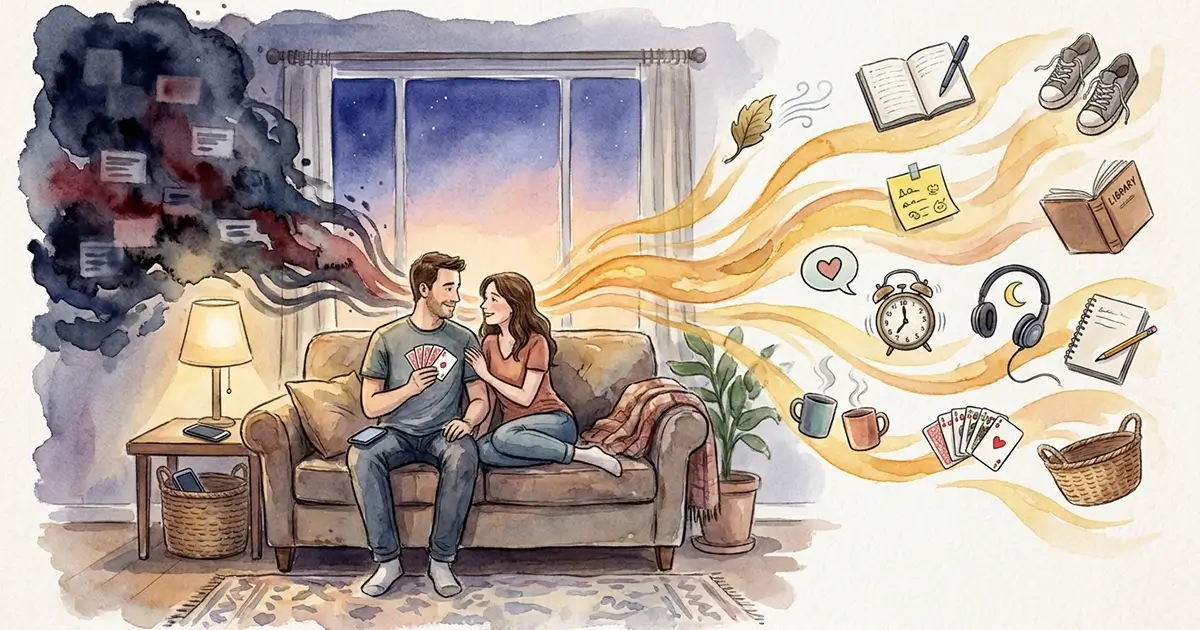
Daniel and Grace, a married couple in Houston, lie side by side every night, each lit by a separate screen. Daniel scrolls posts about economic collapse. Grace reads alarming health threads. They barely speak, then trade their fears over breakfast, and both leave the house more anxious than before.
What to notice: the habit is quietly replacing connection, and the fear becomes shared.
Example 3: The Two-Minute Work Break

Marcus, 29, works in Atlanta. He opens social media for a quick break and lands on a comment thread about layoffs. Then another, and another. Forty minutes pass. He returns to his desk tense, behind on his tasks and convinced his own job is in danger, without any evidence.
What to notice: a short break turned into an anxiety trigger that hurt his real work.
Example 4: Scrolling for Reassurance

A storm warning is issued, and Wei Jie, 41, refreshes weather and disaster updates every few minutes while his wife, Hui Min, prepares dinner. Nothing has changed in an hour, yet he cannot stop checking. He is not planning anything. He is chasing reassurance.
What to notice: checking has stopped being useful and become a way to soothe fear.
Each scene shares the same ingredients: a small trigger, no stopping point and an emotional payoff that never arrives. Once you recognize those ingredients, you can interrupt the pattern earlier.
How to Stop Doomscrolling: 7 Practical Steps
You do not need to quit the internet. You need a few small guardrails that make stopping easier than continuing.
1. Name It in the Moment
When you catch yourself mid-scroll, say quietly, "I am doomscrolling." Naming the habit interrupts autopilot and gives you a moment to choose. Then put the phone down and take three slow breaths.
2. Set a News Window
Decide when you will check headlines, for example fifteen minutes at lunch and ten in the early evening. Write the times on a sticky note if that helps. Outside those windows, the news can wait. Almost nothing needs your attention at 1 am.
3. Choose Finite Sources
Pick sources that end, such as a daily newsletter or a single article, rather than an endless feed. A finished page gives your brain the stopping cue that a feed removes.
4. Add Friction
Log out of news and social apps, switch off non-essential notifications and move the icons off your home screen. Make the habit just slightly harder than it is now.
5. Build a Phone-Free Bedtime
Charge your phone outside the bedroom and stop screens about thirty minutes before sleep. An old-fashioned alarm clock removes the excuse. This single change protects the hours most damaged by late-night scrolling.
6. Replace the Scroll
Your hands and mind need something to do. A short walk, a stretch, a call to a friend or a cup of tea can all fill the gap. Our list of what to do instead of doomscrolling offers 12 replacements matched to your trigger, whether you feel anxious, bored or restless.
7. Turn Worry Into Action
If a story genuinely troubles you, do something small: donate, volunteer, write a letter or talk with a neighbor. Action converts helplessness into purpose, which scrolling never does.
If doomscrolling leaves you persistently anxious, low or unable to sleep, consider speaking with a doctor or mental health professional. Reaching out is a strength, not a failure.
Frequently Asked Questions About Doomscrolling
What is doomscrolling in simple words?
It is scrolling through bad news or upsetting content for far longer than you intended, usually while feeling worse, and finding it hard to stop.
Is doomscrolling a mental illness?
No. It is not an official diagnosis. It is a habit pattern, but it can feed anxiety, low mood and poor sleep, so it is worth taking seriously.
Why do I doomscroll even when it makes me feel worse?
Your brain treats threats as urgent, and unpredictable feeds reward every swipe. You are chasing reassurance and a sense of control, so the habit continues even when the result is discomfort.
How long does it take to stop doomscrolling?
It varies. Many people notice a difference within a couple of weeks of consistent limits, especially at night, but old triggers can return during stressful periods.
Is doomscrolling the same as social media addiction?
They overlap but are not identical. Doomscrolling is specifically about negative content, while social media addiction covers any compulsive use. Both respond to similar boundaries.
Can I stay informed without doomscrolling?
Yes. Use fixed check-in times, finite sources and a clear stopping point. Being informed means knowing what you need, not seeing everything as it happens.
Final Thoughts
Doomscrolling is not a sign that you are weak or careless. It is a natural response to uncertainty, amplified by feeds that never end. Once you can define doomscrolling clearly, you can spot it quickly: compulsive scrolling of negative content that leaves you more anxious and less informed.
The good news is that small changes work. A news window, a phone-free bedtime and a ready replacement activity can break the loop without making you disconnected from the world. Start with one step tonight, notice how you feel tomorrow, and build from there.
Staying informed and staying well are not opposites. You can care about the world and still choose when to look away. Your attention is valuable, and you get to decide where it goes.
What has doomscrolling looked like in your life, and what has helped you stop? Share your thoughts in the comments below.
Comments (0)
No comments yet. Be the first to share your thoughts!
Leave a comment
Your comment will appear after it's reviewed. Your email is never shown publicly.